




Connected Care. Protected Lives.
IoT SIMs for
Healthcare Devices
Discover how our IoT SIMs can connect your healthcare device.
Discover how our IoT SIMs can connect your healthcare device.
Protecting People
Wherever They Are
Healthcare alarms represent one of the most demanding and consequential applications for IoT SIM connectivity. Unlike most industries where a delayed notification means a missed opportunity or minor inconvenience, in healthcare the failure to deliver an alarm on time can directly cost a patient their life.
Personal Emergency Response Systems (PERS)
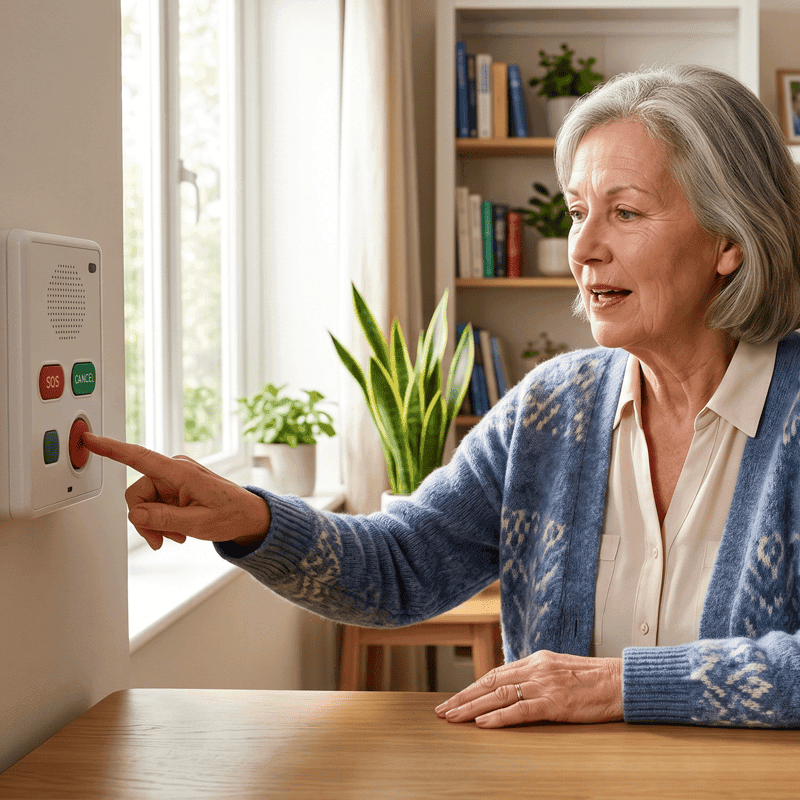
Personal Emergency Response Systems (PERS) represent one of the most human-facing applications of IoT SIM technology in healthcare, designed to protect some of the most vulnerable people in the community: the elderly, those living alone, and patients managing conditions like dementia. CLICK on the icon to see how.

Home Based PERS
Always connected and no Wi-Fi needed.
Our Solution
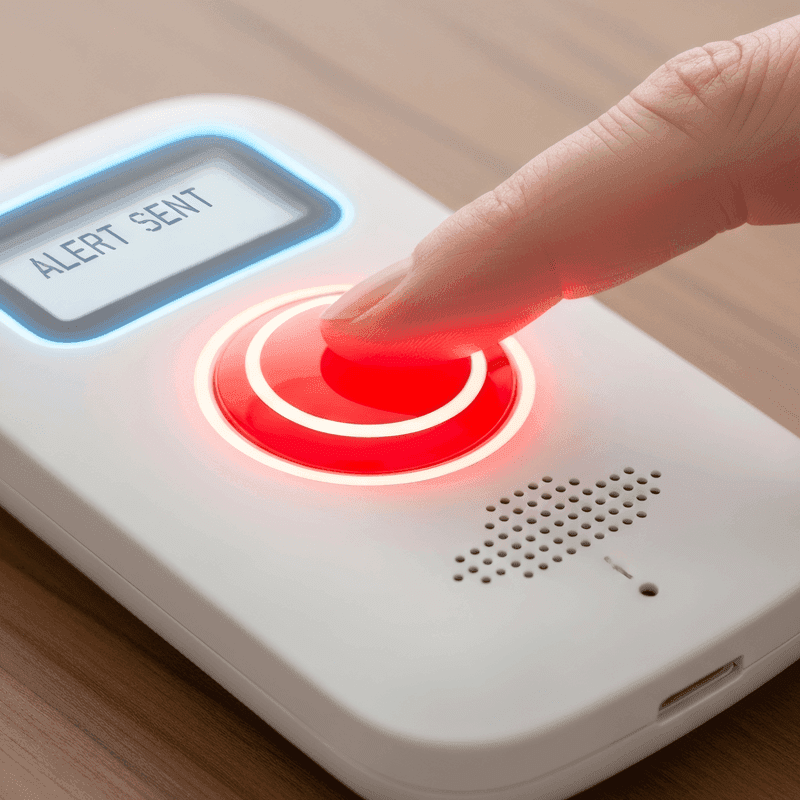
Home-based PERS devices use IoT SIMs because no other connectivity option can match the reliability and simplicity that emergency response demands. With landlines rapidly disappearing from Australian households, and home Wi-Fi too vulnerable to outages, router failures, and power disruptions to be trusted in a crisis, an IoT SIM gives the device its own independent, always-on cellular connection that requires no setup, no technical knowledge, and no functioning home infrastructure to operate.
Home Based PERS
Always connected and no Wi-Fi needed.
Our Solution
Home-based PERS devices use IoT SIMs because no other connectivity option can match the reliability and simplicity that emergency response demands. With landlines rapidly disappearing from Australian households, and home Wi-Fi too vulnerable to outages, router failures, and power disruptions to be trusted in a crisis, an IoT SIM gives the device its own independent, always-on cellular connection that requires no setup, no technical knowledge, and no functioning home infrastructure to operate.
Mobile / GPS PERS
IoT SIMs are purpose-built for Mobile/GPS PERS.
Our Solution
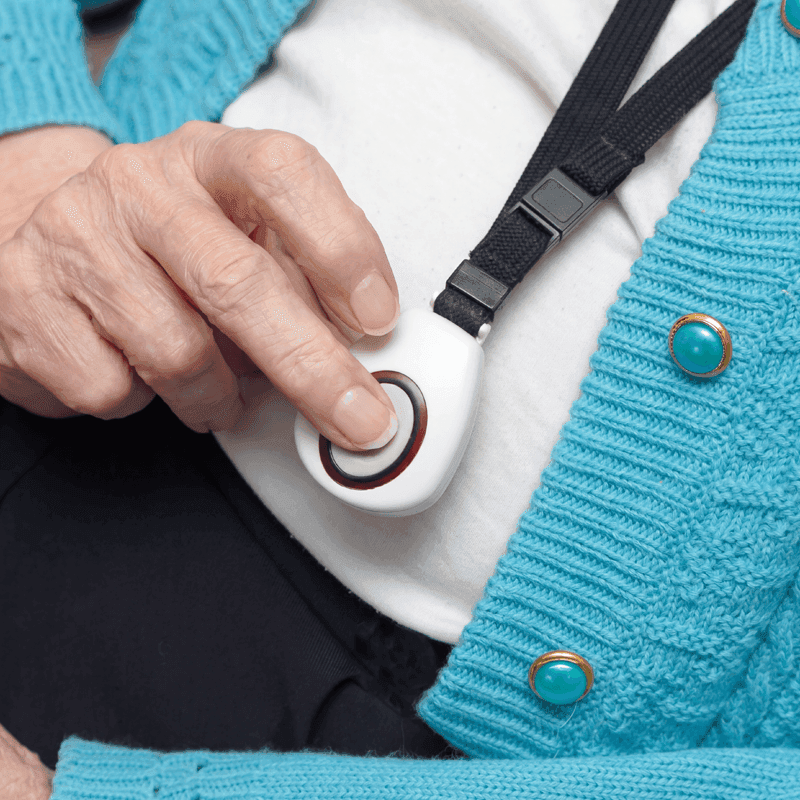
Beyond basic connectivity, IoT SIMs support the full feature set that makes mobile PERS effective: continuous low-latency GPS coordinate transmission to caregivers and monitoring centres, simultaneous two-way voice and data during an emergency call, and low-power protocols that extend wearable battery life throughout the day. Together with remote SIM management through the IoT control centre, no other connectivity option delivers this combination of performance, reach, and control.
Facility Based PERS
Supporting hybrid systems where patients transition between facility and home care.
Our Solution
While facility-based PERS has historically relied on proprietary in-building wireless networks, IoT SIMs are rapidly changing the picture. Delivering a cellular backup layer that keeps systems running when internal networks fail, connecting devices that move between facilities, and enabling true continuity of care for patients transitioning between facility and home without any need for reconfiguration.
Optus Cisco IoT Control Centre
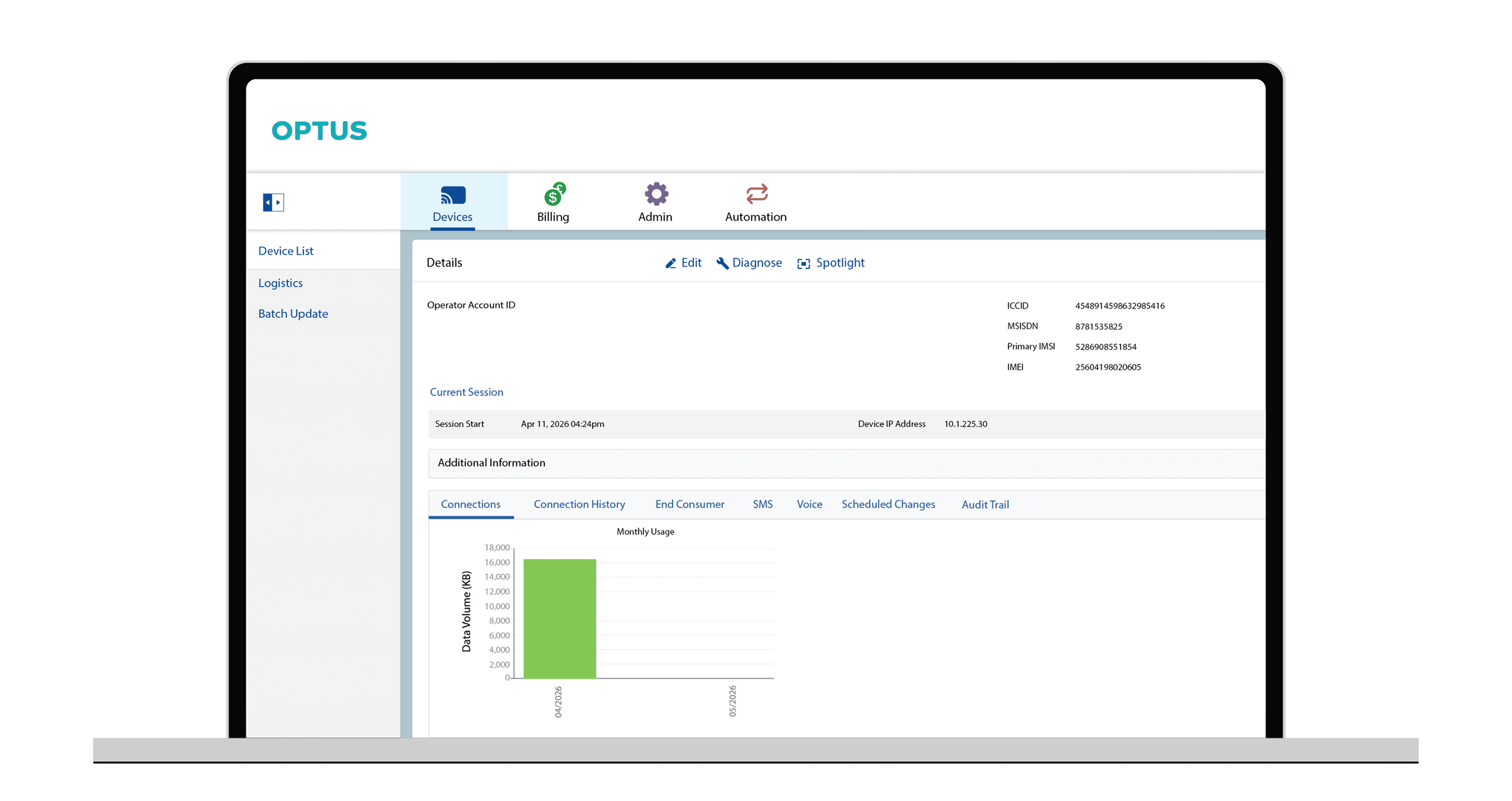
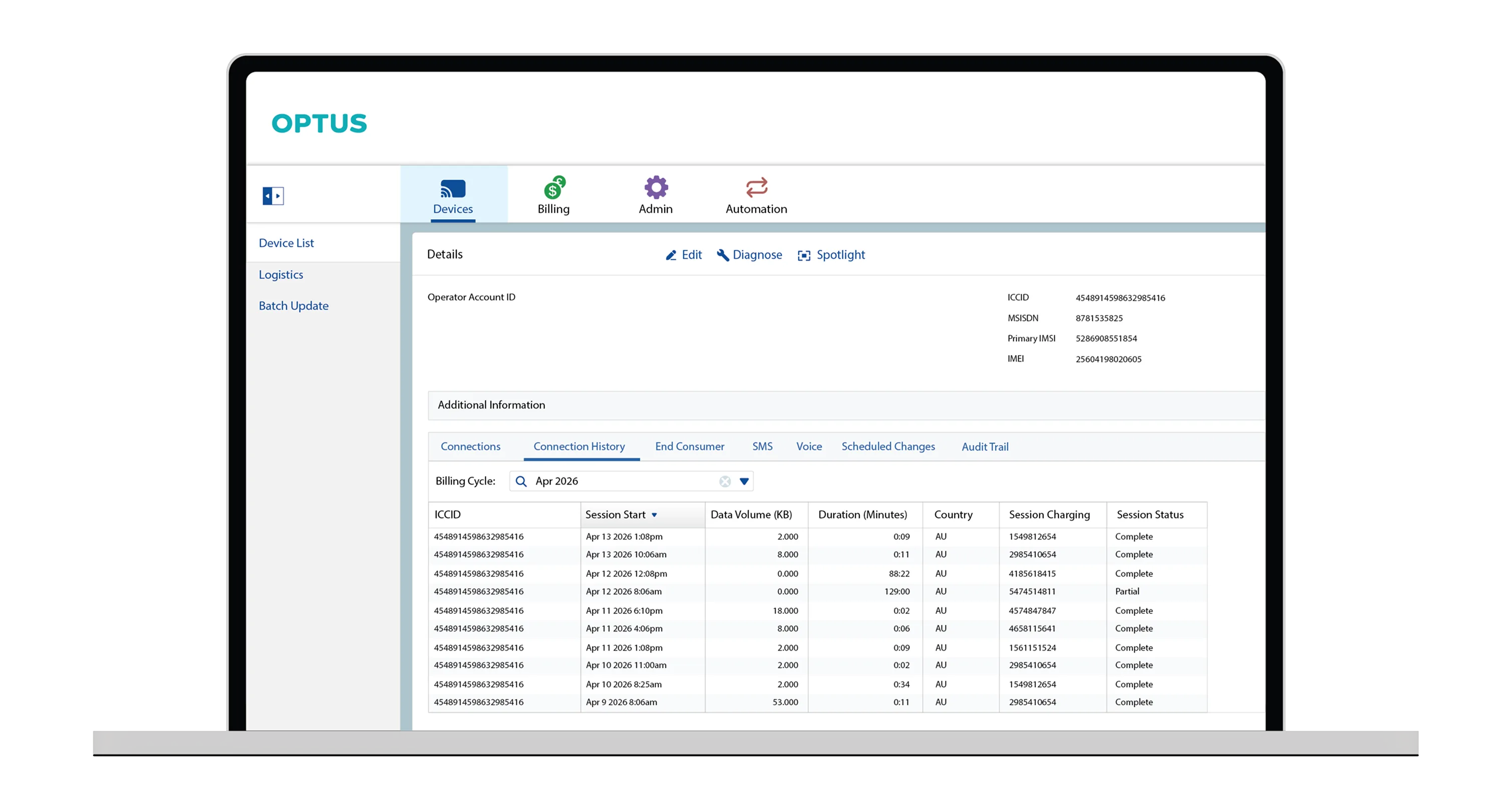
UCOM IoT SIMs come with access to the Optus Cisco IoT Control Centre (Jasper). It’s the same enterprise platform trusted to manage 300M+ connected devices worldwide. Monitor usage, automate alerts and manage your SIMs in real time.
Real-Time Visibility
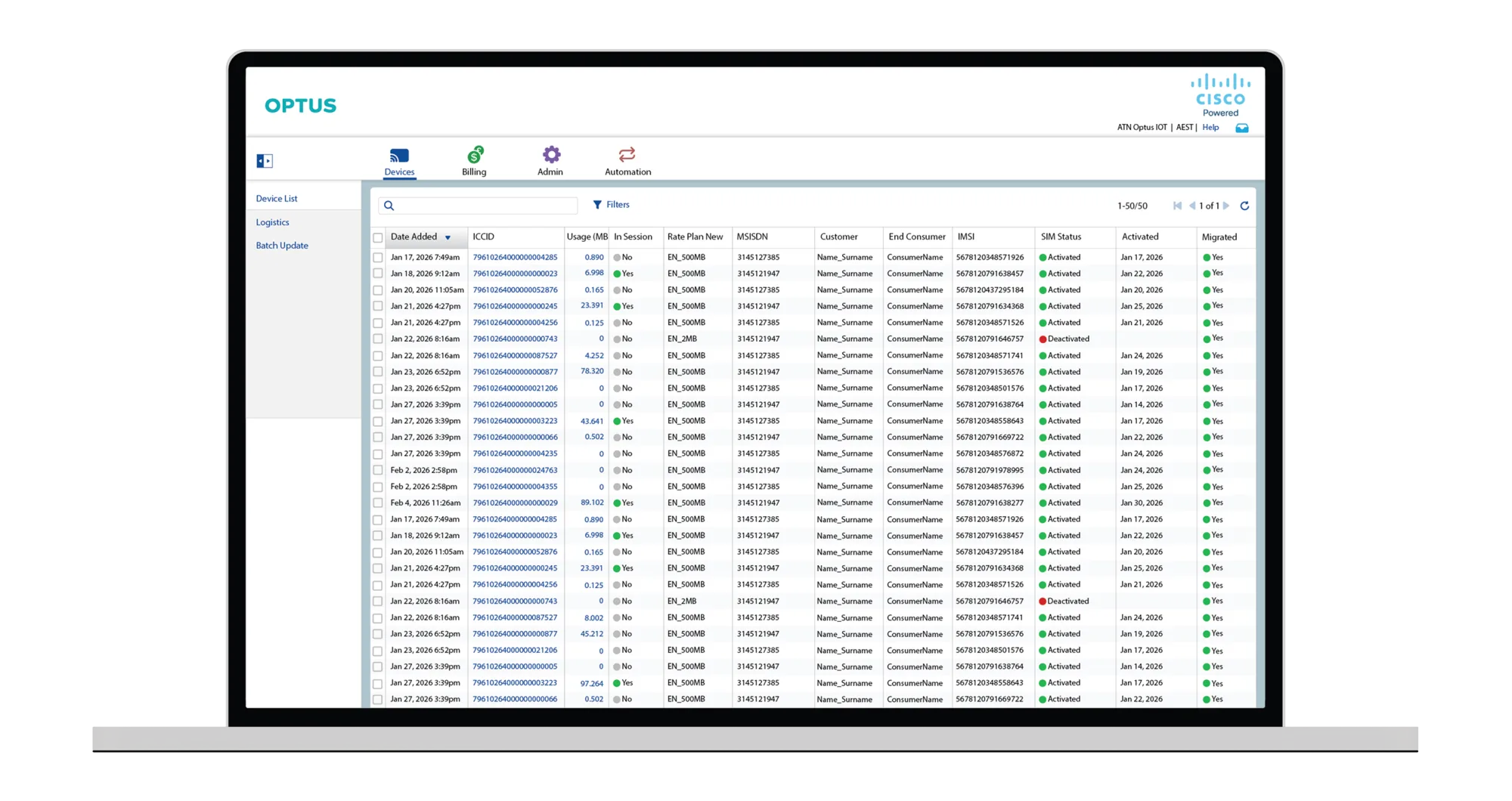
See every device in one place.
View your entire SIM fleet from a single device list including usage, session status, rate plan and activation date, all sortable and filterable. Spot a problem before your customer does, no spreadsheets required.
- Live Usage And In-Session Status Per SIM
- Filter, Sort, And Search Across Thousands of Devices
- Instant Status: Activated, Deactivated Or Migrated


Your IoT Data Stays in Australia
Many IoT SIMs sold in Australia are foreign-based products simply roaming local networks, meaning your mobile data takes an unnecessary trip overseas.
Our Optus IoT SIMs keep mobile data onshore, so it never leaves the country.

Frequently Asked Questions
Everything you need to know about UCOM IoT SIMs for personal and healthcare alarms.
Landlines are disappearing from Australian homes, and home Wi-Fi can fail because of router faults, internet outages or power cuts. An IoT SIM gives the alarm its own mobile connection. It doesn't rely on the home's internet or phone line, and the user doesn't need to set anything up.
UCOM IoT SIMs work with most 4G personal emergency response devices, including base stations, pendants, and GPS wearables that take a SIM card. Not sure if your device is compatible? Call 1800 008 266 or send us an enquiry, and one of our IoT specialists will assist.
Australia's 3G networks have closed, so personal alarms that relied on 3G need to be replaced with a 4G-capable device. Once upgraded, the device can use a UCOM IoT SIM. Your alarm provider can help you replace it.
Yes. UCOM IoT SIMs support voice (selected plans), SMS and data. When an alarm is triggered, the user can speak directly with a monitoring centre, carer or family member while the device sends location and alert data.
Yes. Mobile and GPS alarms can send the user's location to carers and monitoring centres in real time. This helps responders find people quickly, including people living with dementia who may wander from home.
A power cut won't affect the IoT SIM itself, because it doesn't depend on the home's internet or phone line. The alarm will keep working as long as the device has battery power and there's mobile coverage.
UCOM IoT SIMs use the Optus mobile network, which covers most of Australia's population. Before installing a device, check Optus coverage at the user's address, especially in rural or regional areas.
Very little. Home-based alarms send small status check-ins and alert signals. GPS wearables use a little more because they send location updates, depending on how often they report. Voice calls made from the device are charged separately.
- IoT 50: home-based alarms and base stations.
- IoT 500: GPS wearables and mobile alarms that send frequent location updates.
Data is pooled across SIMs on the same plan, so lighter-use devices balance out busier ones.
Any data used over your allowance is charged per MB at your plan's excess rate. With same-plan pooling, you're only charged excess if your whole pool goes over. You can also set usage alerts in the Control Centre to spot unusual activity early.
Yes. Accounts with 10 or more SIMs get access to the Optus IoT Control Centre, powered by Cisco Jasper. You can check each device's connection status and data usage, manage SIMs, and set automated alerts, all from one dashboard. This is especially useful for PERS providers and aged care organisations managing devices across many clients and facilities.
Yes. IoT SIMs can provide a mobile backup if a facility's internal network fails. Devices connected by IoT SIM also keep working when residents move between a facility and home, with no reconfiguration needed.
Yes. UCOM IoT SIMs connect directly to the Optus network rather than roaming through an overseas provider. Alarm signals, location data and other information stay onshore.
No. All plans are month to month with no lock-in and no minimum order, so you can add or remove devices as your client base changes.
Pick a plan from our IoT Data SIM webpage or book a demo to see how it works. Prefer to talk it through? Call 1800 008 266 and one of our IoT specialists will be glad to assist.